
What Is a Thoracic Laminectomy?
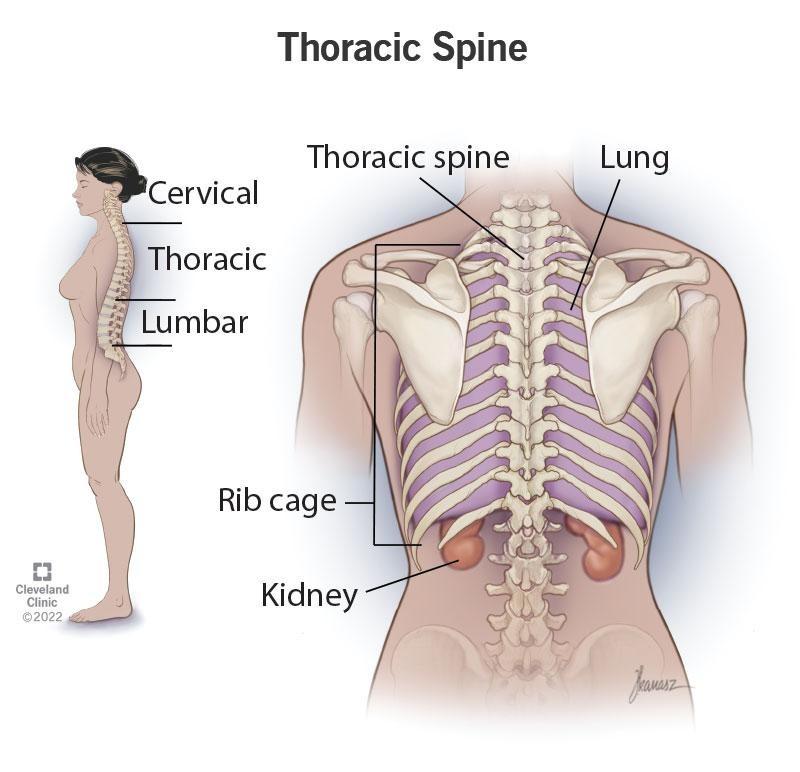
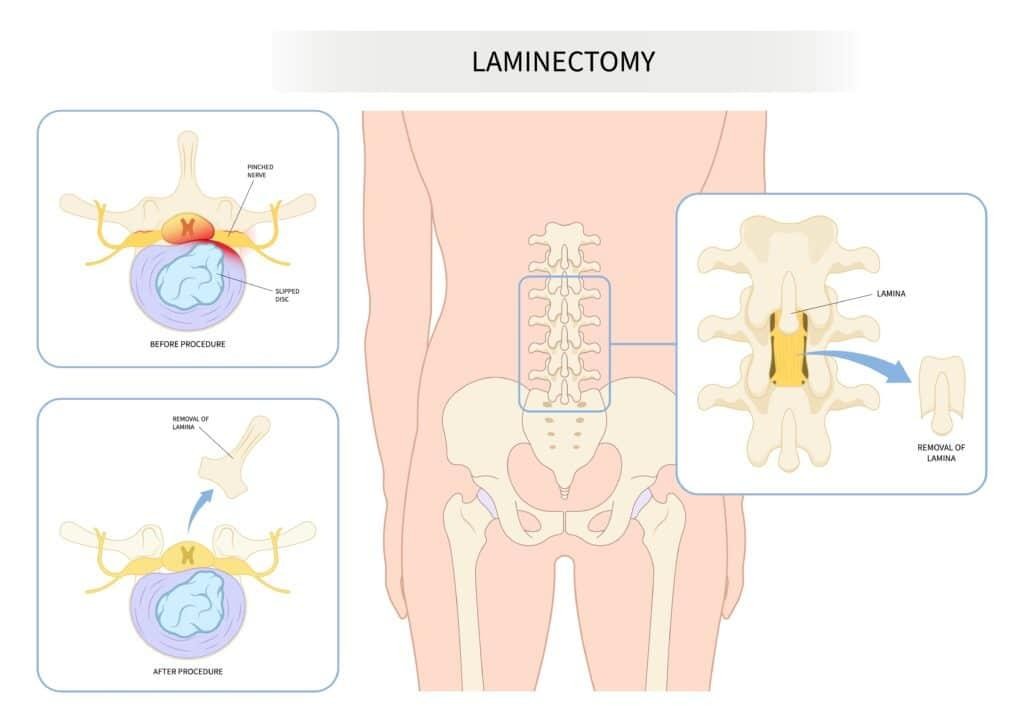
A thoracic laminectomy is a surgical procedure that removes part of the lamina—the back portion of a vertebra that covers the spinal canal. Removing this bone creates more space for the spinal cord, helping to relieve pressure and restore normal function.
What Conditions Does It Treat?
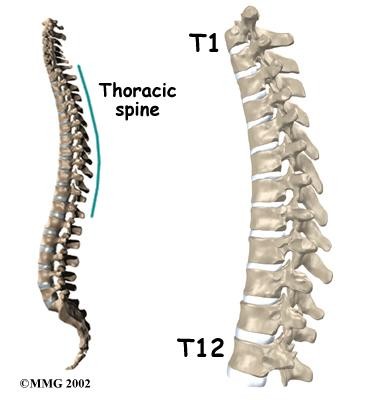
A thoracic laminectomy is typically recommended for conditions that compress the spinal cord in the mid-back (thoracic spine), including:
- Thoracic spinal stenosis
- Herniated thoracic discs
- Bone spurs
- Thickened ligaments
- Tumors
- Infections
- Traumatic spinal injuries
What Symptoms May Indicate the Need for Surgery?
Because the thoracic spine surrounds the spinal cord, symptoms can be more serious than in other areas. These may include:
- Mid-back pain
- Numbness or tingling around the chest or abdomen
- Difficulty with balance or walking
- Weakness in the legs
- In advanced cases, bowel or bladder dysfunction
 When Is Surgery Recommended?
Surgery may be considered when:
- Conservative treatments (medications, physical therapy, injections) fail to provide relief
- There is clear spinal cord compression with neurological symptoms
In some cases, surgery is recommended urgently to prevent worsening nerve damage.
How Is the Procedure Performed?
- Performed under general anesthesia
- A small incision is made over the affected area
- Muscles are gently moved aside to access the spine
- Part of the lamina is removed to relieve pressure
Additional procedures, such as discectomy or spinal stabilization, may be performed if needed.
What Is Recovery Like?
Recovery varies depending on the individual and the extent of surgery. Many patients experience improvements in:
- Walking and balance
- Strength
- Overall mobility
Physical therapy is often recommended to support recovery. The main goal is to relieve spinal cord pressure and prevent further neurological decline.
What Are the Risks?
As with any surgery, risks may include:
- Infection
- Bleeding
- Nerve injury
- Spinal fluid leak
- Incomplete symptom relief
Because the spinal cord is involved, careful surgical technique is essential to minimize these risks.
Is a Thoracic Laminectomy Right for You?
If you are experiencing symptoms of spinal cord compression, a thorough evaluation is important. This may include imaging studies such as MRI or CT scans.
Treatment decisions are based on your specific condition, symptoms, and overall health, with the goal of improving function and quality of life.